Introduction
Fuel economy is one of the most important factors in the total cost of vehicle ownership — yet many drivers don't fully understand how it's measured or what affects it. Whether you're shopping for a new car, trying to reduce your fuel bill, or simply curious about how your vehicle compares, understanding fuel economy is essential.
This guide explains the two main fuel economy metrics, what affects efficiency, how to calculate your real-world fuel costs, and practical strategies to improve your vehicle's performance.
How Fuel Economy Is Measured
Miles Per Gallon (MPG) — United States
In the United States, fuel economy is expressed as miles per gallon (MPG) — how many miles a vehicle can travel on one gallon of fuel. Higher MPG = better fuel economy.
Formula: MPG = Miles Driven / Gallons Used
Example: You drive 350 miles and use 12 gallons of fuel.
MPG = 350 / 12 = 29.2 MPG
Liters per 100 Kilometers (L/100km) — Most of the World
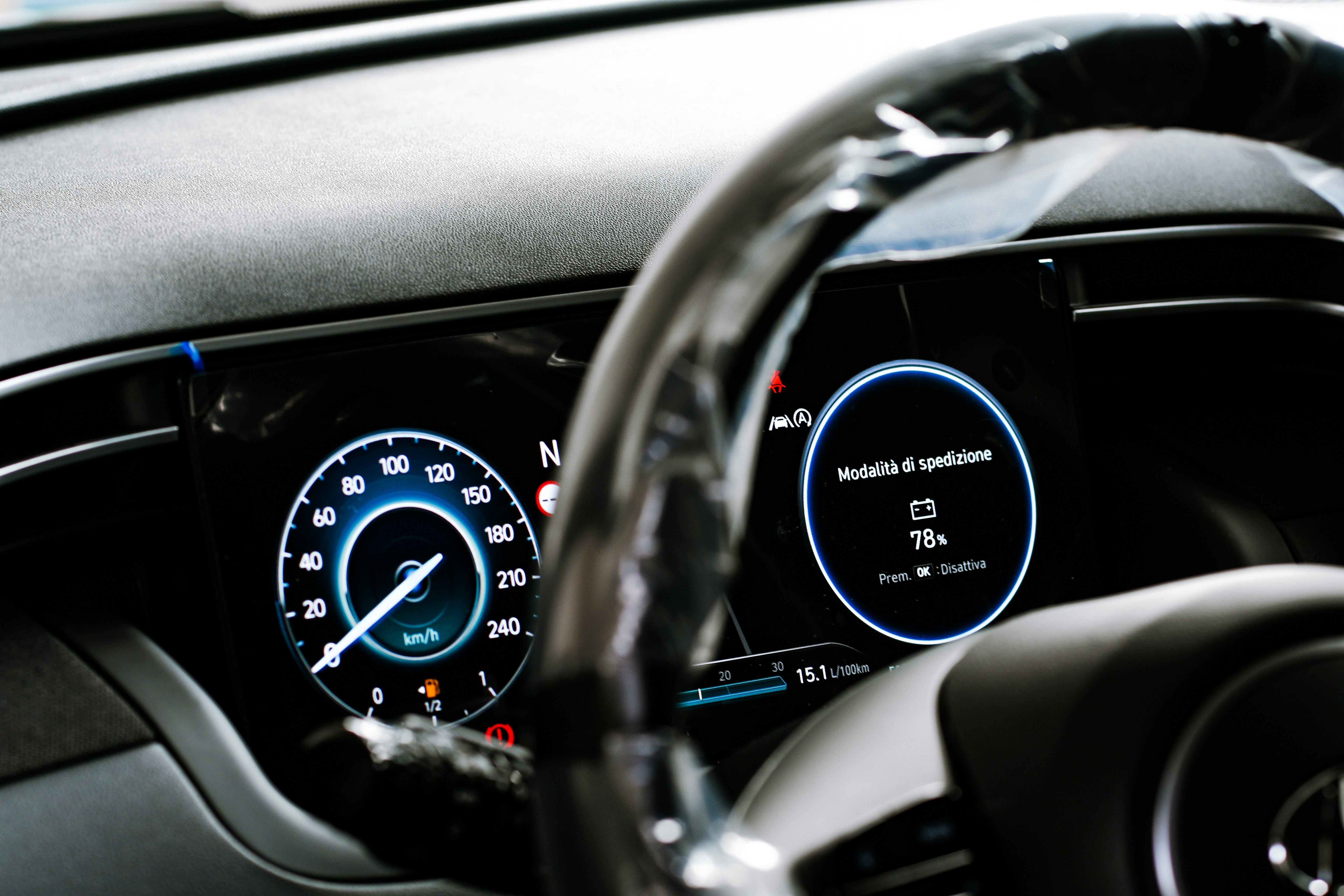
Most countries outside the US use L/100km — how many liters of fuel are needed to travel 100 kilometers. Lower L/100km = better fuel economy (opposite of MPG).
Formula: L/100km = (Liters Used / Kilometers Driven) × 100
Example: You drive 400 km and use 32 liters.
L/100km = (32 / 400) × 100 = 8.0 L/100km
Converting Between MPG and L/100km
To convert MPG to L/100km: divide 235.21 by the MPG value.
30 MPG = 235.21 / 30 = 7.84 L/100km
EPA Fuel Economy Ratings
In the US, the Environmental Protection Agency (EPA) tests vehicles under standardized conditions and provides:
- City MPG: Stop-and-go urban driving with frequent acceleration and braking
- Highway MPG: Steady-speed driving at 48–80 mph
- Combined MPG: Weighted average (55% city, 45% highway)
Real-world fuel economy often differs from EPA estimates by 10–20% depending on driving habits, conditions, and vehicle maintenance.
Factors That Affect Fuel Economy
Driving Behavior (Biggest Impact)
- Aggressive acceleration and braking can reduce fuel economy by 15–30%
- High speeds: Fuel economy drops significantly above 50 mph — each 5 mph over 50 reduces efficiency by about 7–14%
- Idling: A running engine burns 0.2–0.8 gallons per hour while stationary
- Smooth, anticipatory driving is the single most effective way to improve real-world fuel economy
Vehicle Factors
- Engine size and type: Smaller engines and hybrids are more efficient
- Transmission: Modern automatics and CVTs are often more efficient than older automatics
- Vehicle weight: Heavier vehicles require more energy to accelerate
- Aerodynamics: Roof racks, open windows at highway speeds, and boxy shapes increase drag
- Tire type and pressure: Under-inflated tires increase rolling resistance
Environmental Factors
- Cold weather: Engines are less efficient when cold; fuel economy can drop 15–24% in very cold temperatures
- Air conditioning: Can reduce fuel economy by 5–25% depending on conditions
- Altitude: Higher altitudes reduce engine efficiency due to thinner air
- Road conditions: Hills, rough roads, and headwinds all increase fuel consumption
Calculating Your Fuel Costs
To calculate annual fuel costs:
Annual Cost = (Annual Miles / MPG) × Fuel Price per Gallon
Example: You drive 15,000 miles/year in a car getting 28 MPG, with gas at $3.50/gallon.
Annual Cost = (15,000 / 28) × $3.50 = 535.7 × $3.50 = $1,875/year
Improving to 35 MPG would save: (15,000/28 − 15,000/35) × $3.50 = (535.7 − 428.6) × $3.50 = $375/year
Practical Tips to Improve Fuel Economy
- Maintain proper tire pressure: Under-inflated tires reduce MPG by 0.2% per PSI below recommended
- Use the recommended motor oil: Using the wrong viscosity can reduce efficiency by 1–2%
- Keep up with maintenance: A dirty air filter, worn spark plugs, or faulty oxygen sensor can reduce MPG by 5–40%
- Reduce vehicle weight: Remove unnecessary cargo — every 100 lbs reduces MPG by about 1%
- Use cruise control on highways: Maintains steady speed and reduces unnecessary acceleration
- Plan routes efficiently: Combine errands, avoid peak traffic, and use GPS to avoid congestion
- Avoid excessive idling: Turn off the engine if stopped for more than 60 seconds
Electric Vehicles and MPGe
For electric vehicles, the EPA uses MPGe (miles per gallon equivalent) — how far the vehicle can travel on the energy equivalent of one gallon of gasoline (33.7 kWh). Many EVs achieve 100+ MPGe, making them significantly more efficient than gasoline vehicles on an energy basis.
FAQ
Why is my real-world MPG lower than the EPA estimate?
EPA tests are conducted under controlled conditions. Real-world driving involves varying speeds, temperatures, loads, and driving styles that typically reduce efficiency by 10–20% compared to EPA estimates.
Does premium fuel improve fuel economy?
Only in vehicles specifically designed for premium fuel. Using premium in a regular-fuel vehicle provides no benefit. Using regular in a premium-required vehicle can reduce performance and efficiency.
How does a hybrid car improve fuel economy?
Hybrids use regenerative braking to capture energy that would otherwise be lost as heat, store it in a battery, and use it to assist the engine during acceleration. This is particularly effective in city driving with frequent stops.
What is the most fuel-efficient driving speed?
Most vehicles achieve peak fuel efficiency between 45–55 mph. Above this range, aerodynamic drag increases rapidly, significantly reducing efficiency.
Does air conditioning really affect fuel economy significantly?
Yes. At low speeds (city driving), AC can reduce fuel economy by 20–25%. At highway speeds, the impact is smaller (5–10%) because the engine is already working harder. Opening windows at low speeds is more efficient; AC is better at highway speeds where open windows create significant drag.
Related Calculators
Conclusion
Understanding fuel economy empowers you to make smarter decisions — whether you're buying a vehicle, planning a road trip, or simply trying to reduce your monthly fuel bill. The biggest gains come from driving behavior changes, which cost nothing. Regular maintenance and proper tire inflation provide additional improvements. Use our Fuel Cost Calculator to see exactly how much you're spending on fuel and how much you could save with a more efficient vehicle or driving style.